Unlocking the Secrets of Nutrition for Weight Loss: An Expert’s Guide
Achieving weight loss is a common goal for many, but the vast amount of dieting advice available can make starting this journey feel overwhelming. We’re diving into the practical advice and shedding light on how the right nutrition can be your ally in losing weight effectively. Welcome to “Unlocking the Secrets of Nutrition for Weight Loss: An Expert’s Guide,” where we simplify the science, offer concrete tips, and help you towards a sustainable path to weight loss.
Understanding the Role of Nutrition in Weight Loss
Before diving deep into the specifics, it’s crucial to grasp why nutrition plays such a pivotal role in weight loss. Nutrition isn’t just about eating less; it’s about eating right. The foods you choose impact your metabolic rate, how full you feel, and how your body functions. By making informed nutritional choices, you set the stage for successful, sustainable weight loss.
Calories: Quality Over Quantity
One foundational concept in weight management is caloric intake versus caloric burn. However, not all calories are created equal. 500 calories of vegetables, lean proteins, and whole grains have a different effect on your body than 500 calories of sugary snacks or fatty fast food. Focus on nutrient-dense foods that provide vitamins, minerals, and other beneficial substances while keeping calorie content in check.
How to Balance Macros for Weight Loss
Balancing macronutrients — carbohydrates, proteins, and fats — is essential for a weight-loss diet that supports your body’s needs.
1. Smart Carbs, Not No Carbs
Carbohydrates are often seen as the enemy, but they’re actually vital for energy. Opt for complex carbs found in:
- Whole grains like quinoa, brown rice, and whole wheat products
- Legumes, such as beans and lentils
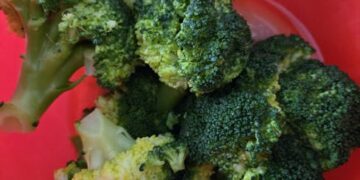
- Plenty of fruits and vegetables
These foods help regulate blood sugar levels and provide sustained energy.
2. Prioritize Protein
Protein is crucial because it helps build muscle, which in turn boosts metabolic rate. High-protein foods also help you feel fuller longer. Include good sources like:
- Lean meats (chicken, turkey)
- Fish high in omega-3s (salmon, mackerel)
- Plant-based options (tofu, tempeh)
3. Don’t Fear Fats
Healthy fats are essential for your body’s hormonal functions and can actually help promote fat loss. Focus on sources like:
- Avocados
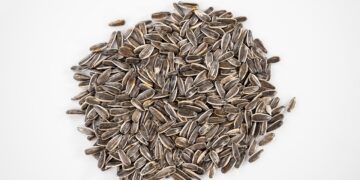
- Nuts and seeds
- Olive oil and coconut oil
Portion Control and Meal Timing
Listen to Your Body
Understanding when you’re actually hungry versus when you’re eating out of boredom or emotion is crucial. Try to eat when you genuinely feel hunger and stop when you’re about 80% full.
Structured Eating Schedules
Stick to regular meal times to stabilize blood sugar levels and control hunger pangs. Skipping meals can lead to overeating later.
Hydration and Its Hidden Powers
Water is often overlooked in diet plans but is essential for efficiently burning calories. Aim for 8-10 glasses daily and more if you’re active. Water helps with digestion and can also fill you up before meals.
Foods to Embrace and Foods to Avoid
Embrace:
- Vegetables and fruits: The foundation of any nutrient-rich diet.
- Whole grains: Keeps you full and provides energy.
- Lean proteins and healthy fats: Sustain and support bodily functions.
Avoid:
- Sugary snacks and beverages: High calorie, low nutrition.
- High sodium processed foods: Leads to water retention and bloating.
- Trans fats: Found in many fast foods and baked goods.
Customizing Your Diet to Fit Your Lifestyle
Every person is unique, and understanding what works for you is essential. Consider your daily activity level, any health issues, and your food preferences. Tailoring your diet in this way can make sticking to it less of a challenge and more of a pleasure.
Track Progress and Adjust
Keep a food diary or use a nutrition tracking app to monitor your intake and make changes where needed. Be patient – sustainable weight loss is gradual.
Conclusion
Unlocking the secrets of nutrition for weight loss doesn’t require drastic diets or complete deprivation. It’s about understanding the basics of good nutrition, listening to your body, and making adjustments that fit your personal lifestyle. By following these expert guidelines, you’re not just losing weight, you’re setting the foundation for a healthier life. Welcome to a fitter future!