Unlocking the Secrets of Nutrition for Muscle Gain: What You Need to Know
Embarking on a journey to build muscle might seem primarily centered around lifting weights and hitting the gym. However, without proper nutrition, your efforts might not yield the expected results. Here, we will delve into strategies and tactics that make your food work for you, propelling your muscle growth to new heights.
The Foundation: Understanding Your Body’s Needs
To optimize muscle gain through nutrition, it is crucial to understand how your body works. When you exercise, especially during weight training, your muscles undergo tiny tears. The process of repairing these tears is what makes the muscles stronger and bigger. For this recovery and growth to happen effectively, your body needs the right fuel.
Key Macronutrients for Muscle Gain
Nutrition for muscle gain revolves around three main macronutrients:
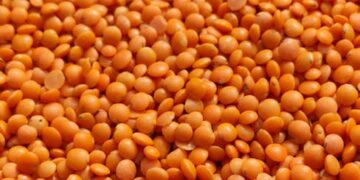
- Protein: The cornerstone for muscle repair and growth. Consuming adequate protein ensures your body can rebuild the muscle fibers stronger than before. Foods like chicken, fish, tofu, legumes, and dairy products are great sources.
- Carbohydrates: While proteins repair the muscles, carbohydrates provide the energy needed for your workout and recovery. Whole grains, fruits, and vegetables are excellent sources of healthy carbs.
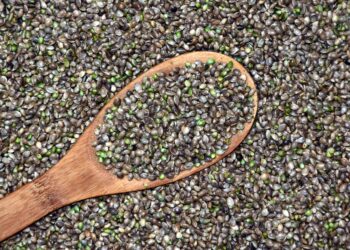
- Fats: Essential for hormonal balance, which directly affects muscle growth. Sources of healthy fats include avocados, nuts, seeds, and olive oil.
Caloric Surplus: Fueling for Growth
Muscle building requires energy, meaning you need to consume more calories than your body burns daily. Calculate your Total Daily Energy Expenditure (TDEE) and aim for a caloric surplus of around 250-500 calories. This controlled increase ensures you gain muscle rather than fat.
Optimal Meal Timing and Frequency
When and how often you eat also play pivotal roles in muscle synthesis:
Pre- and Post-Workout Nutrition
Eating the right foods before and after exercising can enhance your performance and recovery:
- Pre-workout: Focus on a balanced meal containing carbs and protein about 2-3 hours before training to fuel your session. A banana with a scoop of peanut butter is a quick, effective option.
- Post-workout: After exercising, the goal is to replenish the energy stores and supply protein for muscle repair. A shake containing protein and a simple carbohydrate can be a convenient recovery meal.
Frequency of Meals
Consuming smaller, more frequent meals every 3-4 hours can maintain a consistent nutrient supply to your muscles, aiding in continuous growth and recovery.
Nutritional Supplements: Aiding Your Muscle Gain Journey
While whole foods should always be the priority, supplements can complement your diet and help meet your nutritional needs.
Essential Supplements for Muscle Growth
Here are some popular supplements that might benefit your muscle-building goals:
- Protein Powders (Whey, Casein, Soy, Pea): Convenient for meeting your daily protein requirements, especially post-workout.
- Creatine: Proven to improve strength, increase lean muscle mass, and help muscles recover more quickly during exercise.
- Branched-Chain Amino Acids (BCAAs): Can help reduce muscle breakdown during workouts and improve recovery time.
- Omega-3 Fatty Acids: Enhance muscle growth through means other than protein synthesis and are anti-inflammatory.
Hydration: The Often Overlooked Contributor
Hydration plays a crucial role in muscle performance and recovery. Water aids in transporting nutrients to your cells and keeps your joints lubricated. Aim for at least 8-10 glasses of water daily, and more if you are actively exercising.
Practical Tips for Incorporating These Strategies
Now that you understand what’s needed for muscle gain through nutrition, here are some practical steps to start implementing today:
- Prepare meals in advance to ensure you have the right mix of nutrients ready before and after workouts.
- Stay consistent with your hydration; carry a water bottle everywhere.
- Monitor your progress and adjust your caloric intake and macronutrient ratios based on your specific needs and response.
- Consult with a nutritionist or a dietitian to tailor a plan specifically for you, especially if you have underlying health issues.
Conclusion: Your Roadmap to Effective Muscle Gain
With the right approach to nutrition, anybody can see significant improvements in their muscle mass. Remember, consistency is key. It’s not about perfect meals every once in a while; it’s about good nutrition consistently over time. Start with these tips and adjust based on what works best for your body. An effective muscle gain diet combined with proper training can help you achieve your strength and fitness goals.