Unlocking a Healthier You: Balanced Diet Tips for Every Age
Embarking on a journey towards a healthier lifestyle begins with understanding the foundation of a balanced diet. Regardless of age, a nutritious diet can significantly enhance one’s quality of life by boosting energy, sharpening the mind, and improving overall health. This guide offers practical and adaptable diet tips suitable for each stage of life, ensuring that everyone from children to seniors can benefit from balanced eating habits.
Why a Balanced Diet Matters
A balanced diet involves consuming a diverse range of foods in the right proportions to obtain essential nutrients and maintain optimal health. This nutritional harmony helps in preventing chronic diseases like obesity, heart disease, diabetes, and many others that prevail in both youthful and older populations. Adopting a balanced diet not only improves physical health but also enhances mental wellbeing.
Nutritional Foundations
To understand a balanced diet, it’s essential to acknowledge the building blocks:
- Carbohydrates: Vital for energy, choose whole grains over refined options.
- Proteins: Essential for growth and repair, sourced from both animals and plants.
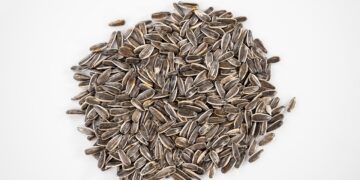
- Fats: Needed in small amounts, opt for unsaturated fats found in fish and nuts.
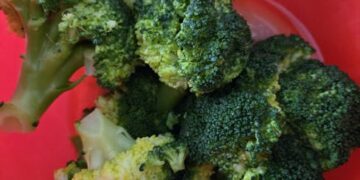
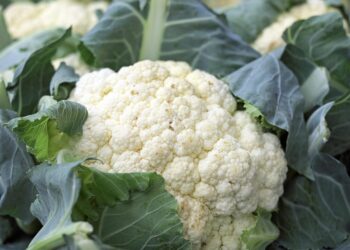
- Vitamins and Minerals: Crucial for various bodily functions, ensure a variety of fruits and vegetables are consumed.
- Water: Maintains hydration and is necessary for all life stages.
Feeding the Young and Energetic
Children and adolescents require ample nutrition to support rapid growth and high energy levels.
Children (Ages 5-12)
This age group is characteristically active and growing. Their balanced diet should be a mix of:
- Carbohydrates from sources like whole-grain breads, cereals, and pastas.
- Proteins which can be amply found in dairy products, lean meats, and beans.
- A colorful array of vegetables and fruits to ensure a rich intake of essential vitamins and minerals.
Tip: Making mealtime fun, such as using colorful plates or involving them in meal prep, can encourage healthier eating habits.
Teenagers (Ages 13-19)
Teenagers have unique nutritional needs due to their rapid growth and hormonal changes.
- Increase iron intake, especially for menstruating females, through lean meats or lentils.
- Calcium is crucial to support the growing bones, so include milk, yogurt, or fortified plant-based alternatives.
- Offer healthy snacks like nuts and fruit smoothies to fuel their energy levels.
Adults: Balancing Life and Nutrition
As metabolism begins to slow, adults need to be conscious of their energy and nutritional needs to combat the risk of lifestyle diseases.
Young Adults (Ages 20-40)
This phase often involves a lot of lifestyle changes like employment, marriage, or parenthood. Balanced eating includes:
- Maintaining a diet rich in fruits, vegetables, low-fat proteins, and whole grains.
- Watching calorie intake to prevent gradual weight gain.
- Limiting intake of processed foods and sugars which are prevalent in fast-paced lifestyles.
Example: Preparing batch meals during weekends can ensure a supply of healthy food throughout a busy week.
Middle-Aged Adults (Ages 41-60)
During middle age, focus on nutrients that support aging bodies and decrease the risk of chronic diseases.
- Increase fiber intake with whole grains and legumes to enhance digestive health.
- Incorporate antioxidant-rich foods like berries and dark leafy greens to fight age-related cellular damage.
- Opt for lean sources of protein such as chicken or fish to maintain muscle mass and manage weight.
Nourishing the Golden Years
Seniors have decreased caloric needs but require nutrient-rich foods to maintain health and wellness.
Seniors (Age 60 and Up)
Older adults should focus on nutrient density rather than calorie density to continue enjoying a high quality of life.
- Prioritize calcium and vitamin D to preserve bone health through dairy products or supplements.
- Lean proteins are essential to combat the loss of muscle mass.
- Soft, easy-to-digest foods can help accommodate for any chewing or digestion issues.
Tips: Prepare easy-to-consume meals like stews and porridge which are not only comforting but also packed with nutrients.
Adapting Dietary Needs at Every Stage
Each stage of life carries unique dietary requirements. Being cognizant of these changes can help maintain a balanced diet throughout one’s life cycle, thereby enhancing overall well-being and vitality. Encourage regular physical activity alongside these dietary guidelines to maximize health benefits. Lastly, consulting with healthcare providers or dietitians can personalize these recommendations to fit individual health needs and conditions.
Conclusion
Optimizing your diet throughout different phases of life ensures that each step is powered by the right mix of nutrients. Starting from playful meals encouraging health among children to the nutrient-dense dishes that support senior health, a balanced diet acts as your lifelong companion in wellness. Embrace these changes with enthusiasm and watch how a balanced diet revolutionizes health at every age!