Unlock the Power of Protein-Rich Foods: A Guide to Healthier Eating
Protein is a powerhouse nutrient, vital for the repair and growth of cells, and essential for the vitality and health of everyone from energetic children to active adults. Understanding how to integrate protein-rich foods into your diet can elevate your health and well-being. This guide will dive into the benefits of protein, identify key sources, and provide practical tips for incorporating more protein into your everyday meals.
The Importance of Protein in Your Diet
Proteins are often called the body’s building blocks. They are used to build and repair tissues, make enzymes and hormones, and are essential components of bones, muscles, cartilage, skin, and blood. But beyond these biological functions, protein-rich foods can also contribute to weight management, muscle strength, and feeling fuller longer.
Benefits of a Protein-Rich Diet
Incorporating adequate protein in your diet has several benefits:
- Weight Management: Protein-rich foods help you feel full longer, reducing the likelihood of overeating.
- Muscle Health: Consuming protein helps maintain muscle mass, particularly important as you age.
- Improved Metabolism: High-protein diets can boost metabolism leading to more calories burned throughout the day.
- Faster Recovery: Protein helps repair cells and tissues, which is crucial after exercise.
Top Sources of Protein
Knowing where to get your protein is crucial for incorporating it effectively into your diet. Here’s a list of excellent protein sources:
Animal-Based Proteins
- Meat: Beef, chicken, pork, and turkey offer high-quality protein.
- Fish: Salmons, tuna, and halibut are not only rich in protein but also omega-3 fatty acids.
- Dairy Products: Milk, cheese, and yogurt are good protein sources and offer calcium for bone health.
- Eggs: Affordable and versatile, eggs are excellent sources of protein and contain healthy fats.
Plant-Based Proteins
- Legumes: Beans, lentils, and chickpeas are great for protein and fiber.
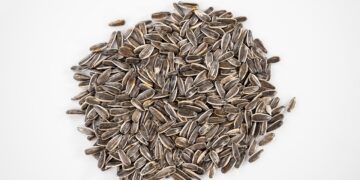
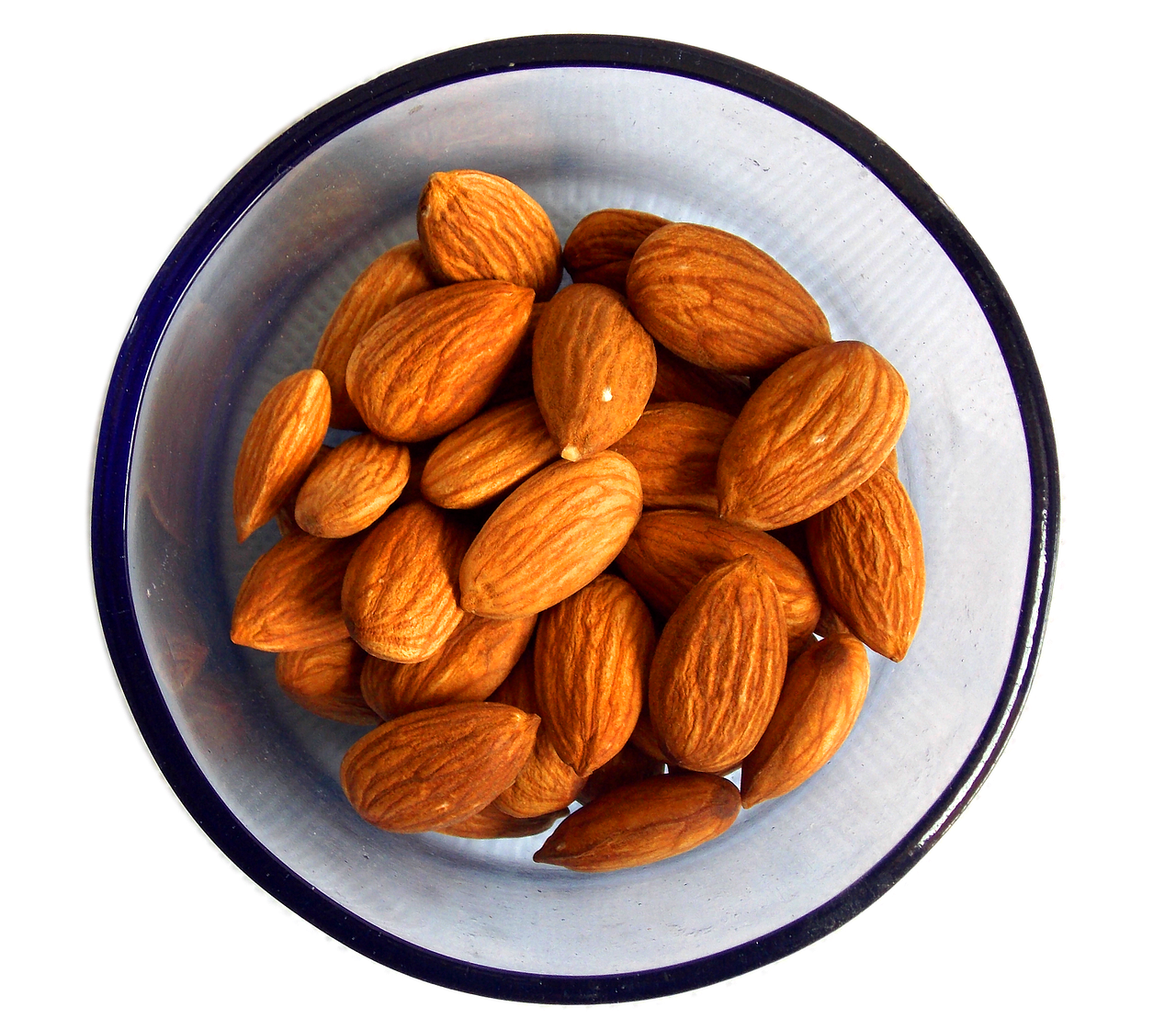
- Nuts and Seeds: Almonds, peanuts, chia seeds, and flaxseeds are not only protein-rich but are also full of healthy fats.
- Whole Grains: Quinoa and oatmeal host a good amount of protein and are also rich in other nutrients.
- Soy Products: Tofu and tempeh are popular among vegetarians and vegans for their high protein content.
Incorporating More Protein into Your Diet
Meal Planning Tips
Strategically adding protein to your meal plan can help you enjoy the full range of benefits from this essential nutrient:
- Include Protein in Every Meal: Aim for a protein source at each meal. This can be as simple as adding seeds to your breakfast smoothie or having a side of yogurt.
- Plan Around Protein: When planning meals, start with the protein component and add vegetables, grains, and other items as complementary sides.
Recipes and Cooking Tips
Here are some ways you can cook protein-rich foods while keeping meals delicious and varied:
- Grilled Chicken Salad: For a quick lunch, grill some chicken breast, toss it over a bed of greens, sprinkle some nuts, add some fresh fruits and a vinaigrette dressing.
- Stir-Fried Tofu: Tofu can be stir-fried with a variety of vegetables and sauces for a delicious and protein-packed meal.
- Bean Chili: Cook a hearty bean chili that promises both nutrition and flavor, perfect for colder months.
FAQs: Protein and Healthier Eating
How much protein should I eat?
Protein needs vary depending on your age, sex, and level of activity. As a general rule, adults should consume about 0.8 grams of protein per kilogram of body weight per day.
Can I eat too much protein?
While protein is essential, excessive intake, especially of red meat and full-fat dairy products, can lead to health issues like kidney strain and increased heart disease risk. Balance is key.
What are complete and incomplete proteins?
Complete proteins contain all nine essential amino acids necessary for dietary needs. Mostly found in animal products and soy, whereas many plant-based proteins are incomplete, lacking one or more of these amino acids. Eating a varied diet can ensure you get all essential amino acids.
Conclusion: Empower Your Diet with Protein
Protein is more than just a nutrient; it’s a critical building block for a healthy life. By understanding how to mix protein sources and incorporate them fruitfully into your meals, you’ll enjoy a healthier, more satisfying diet. Remember, balance is everything when it comes to protein-rich diets, and the diversity of foods available makes it easier than ever to enjoy its benefits.