Unlock the Flavor: Top Vegan Seasoning Tips for Delicious Meals
Transitioning to or maintaining a vegan lifestyle doesn’t mean sacrificing flavor in your meals. The secret to delicious vegan cooking often lies in the seasoning. Understanding how to effectively use spices, herbs, and other seasonings can transform your plant-based dishes into a delightful culinary experience. In this article, we’ll explore essential seasoning tips that will elevate your vegan cooking.
Understanding Vegan Seasoning Fundamentals
Before diving into specific tips, it’s essential to grasp some fundamentals about vegan seasonings. This will help you build a robust foundation for making each meal a gastronomic triumph.
Why Seasoning Matters in Vegan Cooking
Unlike meat-based dishes, where flavors are often intrinsic, vegan ingredients often need a boost from spices and herbs to enhance their natural flavors. Seasonings not only add flavor but can also contribute nutritional benefits, making your meals healthier and more satisfying.
Key Ingredients in a Vegan Pantry
Setting up your pantry with a variety of spices, herbs, and condiments is crucial. Staples include:
- Sea salt and black pepper
- Garlic and onion powder
- Cumin, coriander, and paprika
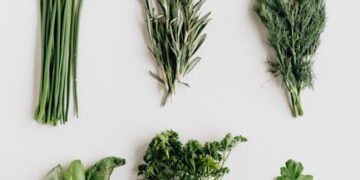
- Fresh herbs like basil, cilantro, and parsley
- Nutritional yeast for a cheesy flavor
- Soy sauce or tamari for depth
- Quality olive oil for cooking and dressings
Top Vegan Seasoning Tips for Enriching Meals
Now that you know the basics, let’s dive into some practical tips to make your vegan dishes irresistibly tasty.
1. Master the Art of Spice Blends
Create your own homemade spice blends to have control over the flavors and avoid any unwanted additives. A basic, versatile spice mix might include garlic powder, onion powder, smoked paprika, and sea salt. Experiment by adding different spices like turmeric or cardamom to create custom blends that can be used to flavor anything from soups to roasted vegetables.
2. Use Fresh Herbs Wisely
While dried herbs are convenient, fresh herbs can add a bright, vibrant flavor to your dishes. Use them as finishes for meals to maintain their flavor and nutritional value. For instance, add fresh basil to your pasta at the end of cooking or sprinkle chopped cilantro over a finished curry.
3. Balance Flavors Like a Pro
Understanding flavor balance is crucial in cooking. If a dish is too spicy, try adding a bit of sweetness with natural sweeteners like maple syrup. If it’s too sour, balance it with a pinch of salt. This balancing act can make or break a dish.
4. Don’t Be Afraid of Acid
Acidic components like lemon juice or balsamic vinegar can help brighten up heavy dishes. They add a layer of freshness and can help to contrast richer flavors commonly found in vegan dishes, such as those from avocados or nuts.
5. Build Depth with Umami
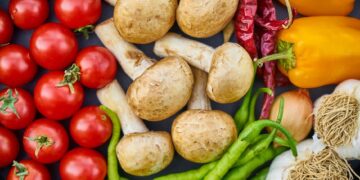
Umami, or the so-called fifth taste, is responsible for the savory flavor in many dishes. Ingredients like mushrooms, soy sauce, and nutritional yeast are rich in natural umami and can add a depth of flavor to vegan dishes that might otherwise taste too bland.
How to Apply These Tips in Everyday Cooking
Applying these seasoning tips can be both fun and creative. Here are a few practical examples:
Soups and Stews
Add a dash of smoked paprika and a spoonful of nutritional yeast to a lentil soup for an added depth of flavor and richness without any animal products.
Vegan Pasta Dishes
When making a tomato-based pasta sauce, finish it off with fresh basil and a splash of olive oil for an aromatic touch.
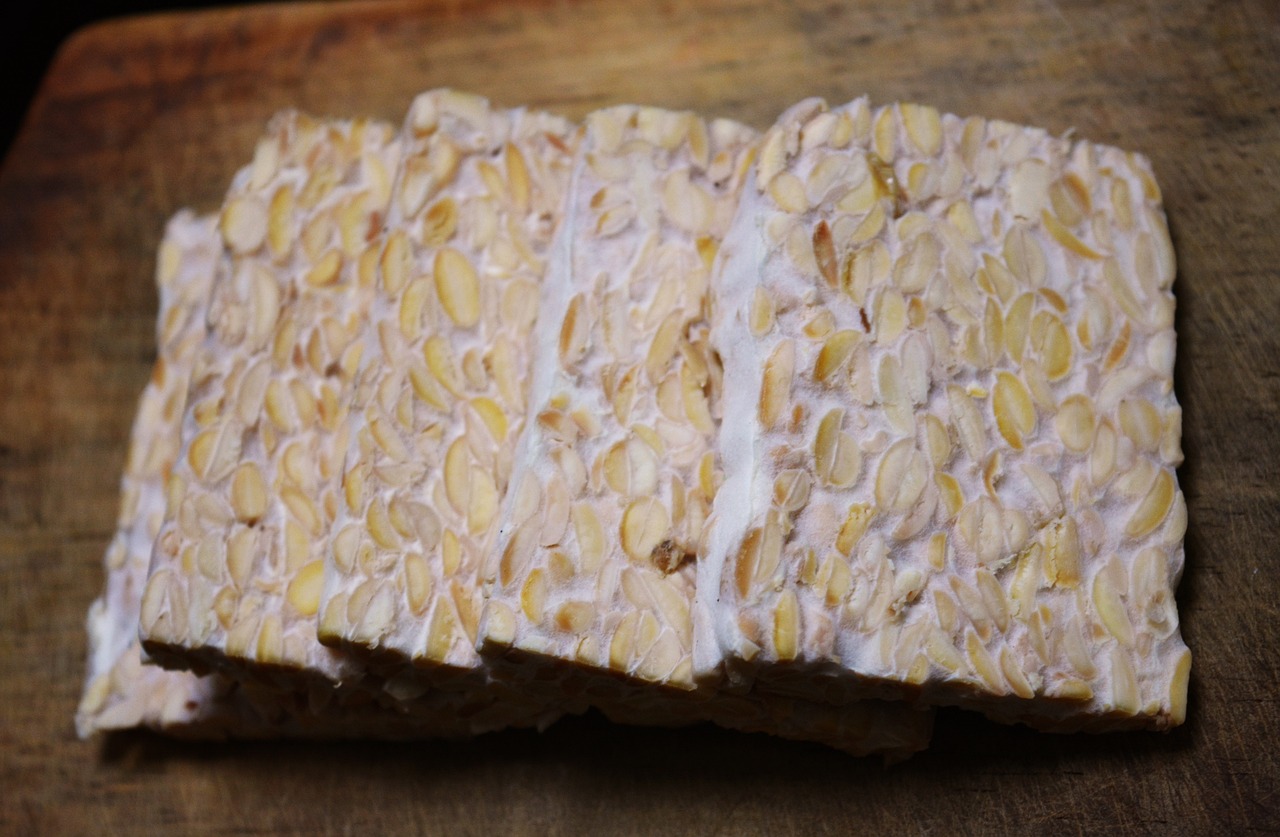
Tofu and Tempeh
Marinate tofu or tempeh in a blend of soy sauce, garlic powder, and maple syrup before baking or frying. This not only enhances the flavor but also improves the texture.
Conclusion
With the right seasonings, vegan cooking can be just as hearty and flavorful as any other cuisine. By mastering the use of herbs, spices, and other flavor enhancers, you can turn simple plant-based ingredients into extraordinary meals. Remember, the best dishes come from experimentation and personal preference, so don’t be afraid to try new combinations and techniques. Unlock the true potential of vegan cooking by embracing these seasoning tips, and enjoy the journey of culinary creativity!