Simple Vegan Recipes for Beginners: A Guide to Delicious Plant-Based Meals
Making the switch to a plant-based diet can be a thrilling journey towards better health, a kinder approach to our planet, and an exciting exploration of new flavors. Whether you’re a new vegan or simply dabbling in plant-based cooking, starting with simple recipes can make your transition smoother and more enjoyable. This guide will introduce you to easy vegan recipes, essential tips, and frequent questions to help you whip up delicious meals that even a beginner can master.
Understanding the Basics of Vegan Cooking
Vegan cooking excludes all animal products, meaning no meat, dairy, eggs, or other animal-derived substances. Emphasizing vegetables, fruits, nuts, seeds, grains, and legumes, it offers vast possibilities for creativity in the kitchen. But before diving into the recipes, grasping some fundamentals can make your vegan journey more fulfilling.
Essential Ingredients to Stock
Building a vegan pantry starts with some key staples:
- Legumes: Beans, lentils, and chickpeas are excellent protein sources.
- Whole grains: Quinoa, brown rice, and whole grain pastas and breads keep you full longer.
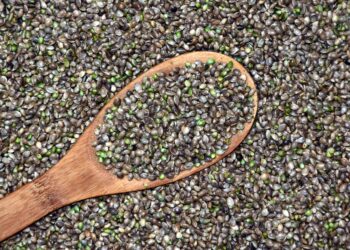
- Nuts and seeds: Almonds, flaxseeds, and chia seeds are great for snacking and adding crunch.
- Plant-based milks: Almond, soy, and oat milks are versatile for cooking and baking.
- Spices and herbs: Stock up for flavorful meals.
Simple Substitutes for Common Ingredients
Making vegan versions of familiar recipes is easier with a few smart swaps:
- Replace eggs with flax or chia seeds mixed with water, or use mashed bananas in baking.
- Use nutritional yeast in place of cheese for a nutty, cheesy flavor boost.
- Opt for plant-based oils or vegan butters instead of traditional butter.
Easy Vegan Recipes for Beginners
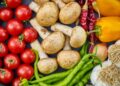
Now, let’s get to the delicious part—simple recipes to start your vegan culinary adventures. These dishes focus on minimal ingredients and steps, ensuring success even for kitchen novices.
1. One-Pot Tomato Basil Pasta
This one-pot wonder combines whole grain pasta, fresh tomatoes, and aromatic basil. Here’s how to make it:
- Combine in one large pot: 4 cups diced tomatoes, 3 cups water, 1 package (12 oz) whole wheat spaghetti, and 1 cup fresh basil leaves.
- Bring to a boil, reduce to a simmer, and cook until pasta is tender and water is mostly absorbed, about 10-15 minutes.
- Season with salt, pepper, and a drizzle of olive oil before serving.
2. Classic Bean Salad
A refreshing, protein-packed salad that’s as easy as tossing together a few key ingredients:
- Mix 1 can of black beans, 1 can of chickpeas, 1 diced bell pepper, 1 diced red onion, and 1 cup of chopped cilantro.
- For the dressing, whisk together the juice of 2 limes, 3 tablespoons of olive oil, salt, and pepper.
- Combine everything and let chill for an hour before serving.
3. Vegan Stir-Fry with Tofu
A versatile dish that you can adapt to whatever veggies you have on hand:
- Press and cube 1 block of tofu. Sauté in a large pan with a bit of oil until golden brown.
- Add your choice of chopped vegetables (like broccoli, bell peppers, and carrots) and stir-fry until just tender.
- Add a simple sauce made from soy sauce, maple syrup, and garlic powder, cook for an additional 5 minutes.
Frequently Asked Questions
What are the health benefits of going vegan?
Vegan diets are rich in dietary fiber, essential nutrients and tend to be lower in calories and saturated fats. Studies show that a vegan diet can reduce the risk of chronic diseases such as heart disease, diabetes, and certain cancers.
Is vegan food expensive?
While specialty vegan products can be pricey, basic vegan ingredients like beans, grains, and vegetables are typically affordable and widely available. Planning your meals and cooking at home can keep costs down while maintaining a nutritious diet.
Will I get enough protein on a vegan diet?
Plenty of plant-based foods offer significant amounts of protein. Legumes, nuts, tofu, and quinoa are just a few examples that can help meet your protein needs without any animal products.
Conclusion
Embarking on a vegan lifestyle doesn’t have to be intimidating, especially with simple recipes and essential tips in your toolkit. Remember, the key to successful vegan cooking is creativity and flexibility. Experiment with different ingredients and flavors, and don’t be afraid to adjust recipes to suit your taste. Happy cooking!