Mastering the Art of Gluten Free Vegan Cooking: Essential Tips and Tricks
If you’ve opted for a gluten-free vegan lifestyle, whether due to dietary restrictions or personal choices, you understand the initial struggles of navigating this double challenge. Combining gluten-free and vegan requirements doesn’t mean you have to compromise on taste or variety. To help you excel in your culinary endeavors, this guide will provide essential tips and tricks to make delicious, healthy meals without feeling restricted.
Understanding Gluten-Free Vegan Basics
First, it’s crucial to understand what being gluten-free vegan entails. A gluten-free diet excludes all forms of gluten, a protein found in wheat, barley, and rye. Meanwhile, a vegan diet avoids all animal products. The combination focuses on plants and excludes many common ingredients, thereby necessitating creativity and careful planning.
The Importance of a Well-Stocked Pantry
Success in gluten-free vegan cooking starts with the right ingredients. Stock your pantry with a variety of gluten-free grains like quinoa, rice, and certified gluten-free oats. Include legumes, nuts, seeds, and a wide range of spices to add flavor and nutrition. Don’t forget gluten-free flours such as almond flour, chickpea flour, and tapioca flour for baking and thickening sauces.
Label Reading and Cross-Contamination
Always read labels carefully to check for gluten ingredients and potential cross-contamination warnings. When preparing gluten-free vegan meals, it’s crucial to avoid contamination with gluten-containing products. Use separate cooking and preparation surfaces, utensils, and storage to ensure your meals remain safely gluten-free.
Key Techniques in Gluten-Free Vegan Cooking
With your pantry ready, mastering specific cooking techniques can make your food more exciting and diverse.
Creative Substitutes for Common Ingredients
Gluten and animal products are prevalent in many dishes, so learning to substitute is key:
- Gluten Substitutes: Use gluten-free pastas and breadcrumbs, or try making your own from gluten-free bread. For baking, use xanthan gum or psyllium husk to mimic gluten’s texture-enhancing properties.
- Vegan Substitutes: Replace dairy with plant-based alternatives like almond milk and coconut yogurt. Nutritional yeast and cashew cream are excellent for adding a cheesy flavor and creamy texture.
Mastering Gluten-Free Vegan Baking
Baking without gluten and eggs can be challenging, but with practice, you can make mouthwatering cakes, cookies, and breads. Always experiment with different flour blends to find what works best for each recipe. Remember, moisture levels might need adjusting as gluten-free flours tend to be more absorbent.
Essential Tips for Flavorful Meals
Flavor is paramount, especially when dealing with dietary restrictions. Here are ways to ensure your dishes are always delicious:
Use Fresh, High-Quality Ingredients
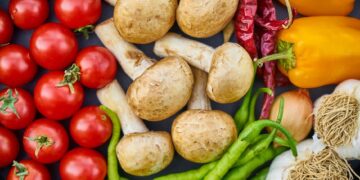
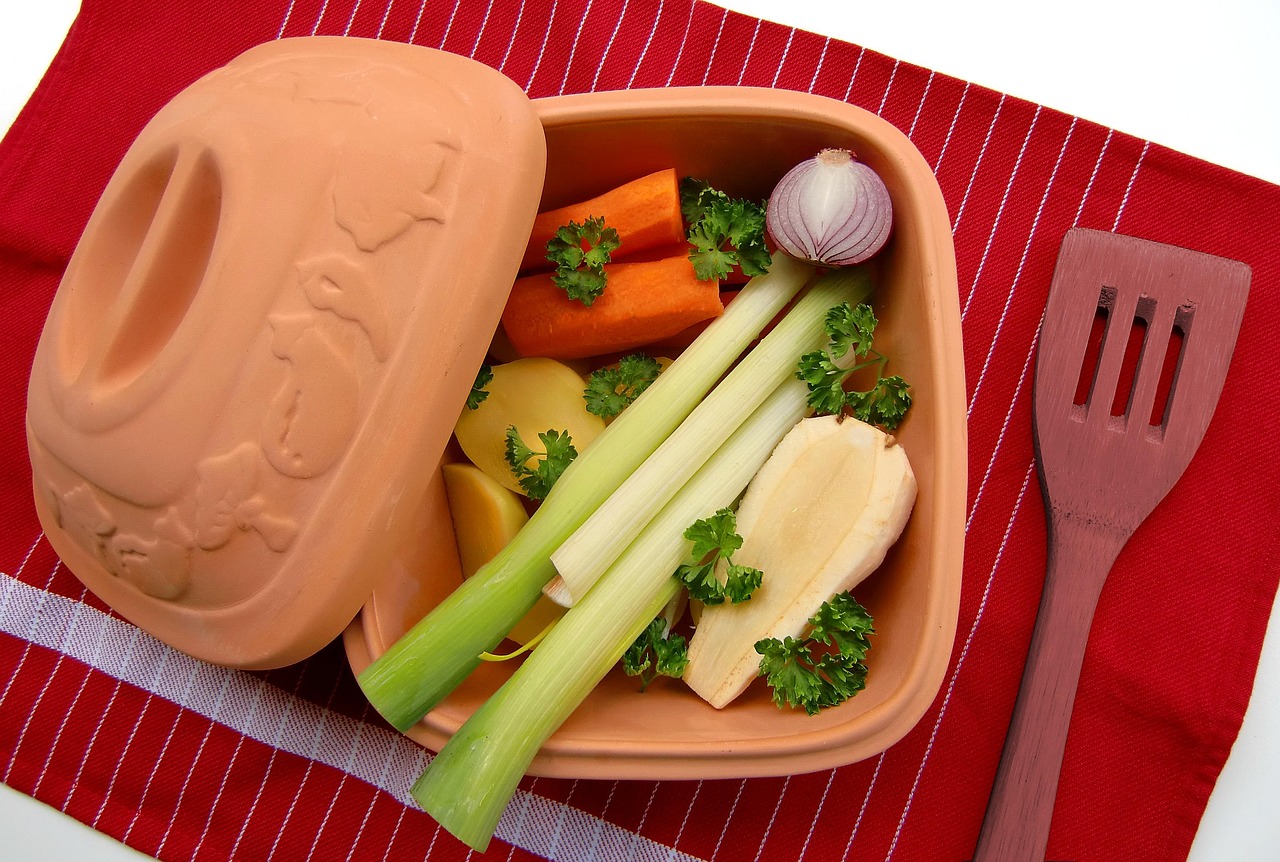
Fresh vegetables, fruits, and herbs can transform your cooking. The fresher your ingredients, the better your dishes will taste.
Incorporate a Variety of Spices and Herbs
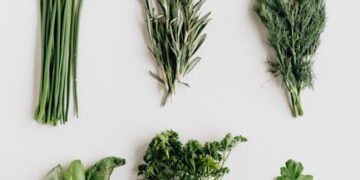
Do not shy away from using bold spices and fresh herbs to add depth and layers of flavor to your cooking. Spices like cumin, coriander, and smoked paprika can significantly enhance the appeal of your dishes.
Don’t Forget Umami
Umami, or the fifth taste, is rich and savory. Ingredients like tomatoes, mushrooms, and fermented foods like sauerkraut can add this dimension to your gluten-free vegan dishes.
Incorporating Global Cuisines
Exploring international dishes provides an excellent opportunity to diversify your meals. Many cultures offer naturally gluten-free and vegan dishes that are both nutritious and flavorful.
Asian Cuisine
Asian cuisines, such as Japanese and Thai, feature rice-based dishes and fresh ingredients. Dishes like sushi (with tamari instead of soy sauce) and curries (using coconut milk) are fantastic options.
Middle Eastern Delights
Middle Eastern cuisine offers an array of suitable dishes, from hummus and baba ganoush to falafel and tabbouleh (made with quinoa instead of bulgur).
Conclusion: Experiment and Enjoy!
Mastering the art of gluten-free vegan cooking is an ongoing process of learning and experimentation. Each step you take builds your skills and confidence. With these tips and tricks, and an open-minded approach, you’ll discover that this way of cooking offers a rich palette of flavors and textures that cater to a healthy lifestyle. So, roll up your sleeves, get out your mixing bowl, and start experimenting with the joyous art of gluten-free vegan cuisine. Happy cooking!