Essential Vitamins and Minerals for Peak Performance
Whether you’re a dedicated athlete, a weekend warrior, or simply someone striving to maintain top health, understanding the right vitamins and minerals that fuel the body is pivotal. Achieving peak performance isn’t just about relentless training and discipline, but also ensuring your nutrition harnesses the full potential of your efforts. Below, we dive into the must-have vitamins and minerals essential for peak performance, integrating practical tips to effortlessly add them into your daily regimen.
Understanding Vitamins and Minerals
Vitamins and minerals are substances your body needs to grow properly, function normally, and stay healthy. While both are crucial, they have distinct roles: vitamins are organic compounds made by plants or animals, whereas minerals are inorganic elements sourced from the earth and water, absorbed by plants or eaten by animals.
Key Vitamins for Enhanced Performance
Vitamin D for Bone Strength
Often nicknamed the “sunshine vitamin” because it’s produced in your skin in response to sunlight, Vitamin D is a superstar for its role in bone health and immune support. It’s particularly essential for athletes as it helps regulate calcium and maintain phosphorus levels in the blood, two factors critical for maintaining healthy bone structure.
Tip: Aim for daily sun exposure or include fortified foods and supplements if you reside in less sunny regions.
Vitamin B12 for Energy
Vitamin B12 is crucial for energy production. It helps in making DNA, nerve and blood cells, and is critical for a healthy brain and immune function. A deficiency can lead to fatigue, which is detrimental for anyone aiming for peak performance.
Tip: Ensure your diet includes plenty of B12-rich foods like meats, dairy, and fortified cereals or consider supplements, especially if you’re vegan.
Vitamin C for Repair and Recovery
Vitamin C is a powerful antioxidant that helps protect the body against oxidative stress, which increases during physical activity. It also plays a vital role in collagen production necessary for cartilage and tendon health.
Tip: Besides citrus fruits, add red peppers, kale, and broccoli to your meals to boost your Vitamin C intake.
Crucial Minerals for Optimal Functioning
Iron for Oxygen Transportation
Iron is essential for producing hemoglobin, a protein in red blood cells that transports oxygen from your lungs to the organs and tissues throughout your body. An iron deficiency can lead to anemia, significantly reducing athletic performance and endurance.
Tip: Include lean meats, beans, and spinach in your diet, and pair them with Vitamin C-rich foods to enhance absorption.
Magnesium for Muscle Function
Magnesium plays a pivotal role in muscle contraction and helps in the production of energy. It assists in over 300 enzymatic processes in the body, including the metabolism of food, synthesis of fatty acids and proteins, and the transmission of nerve impulses.
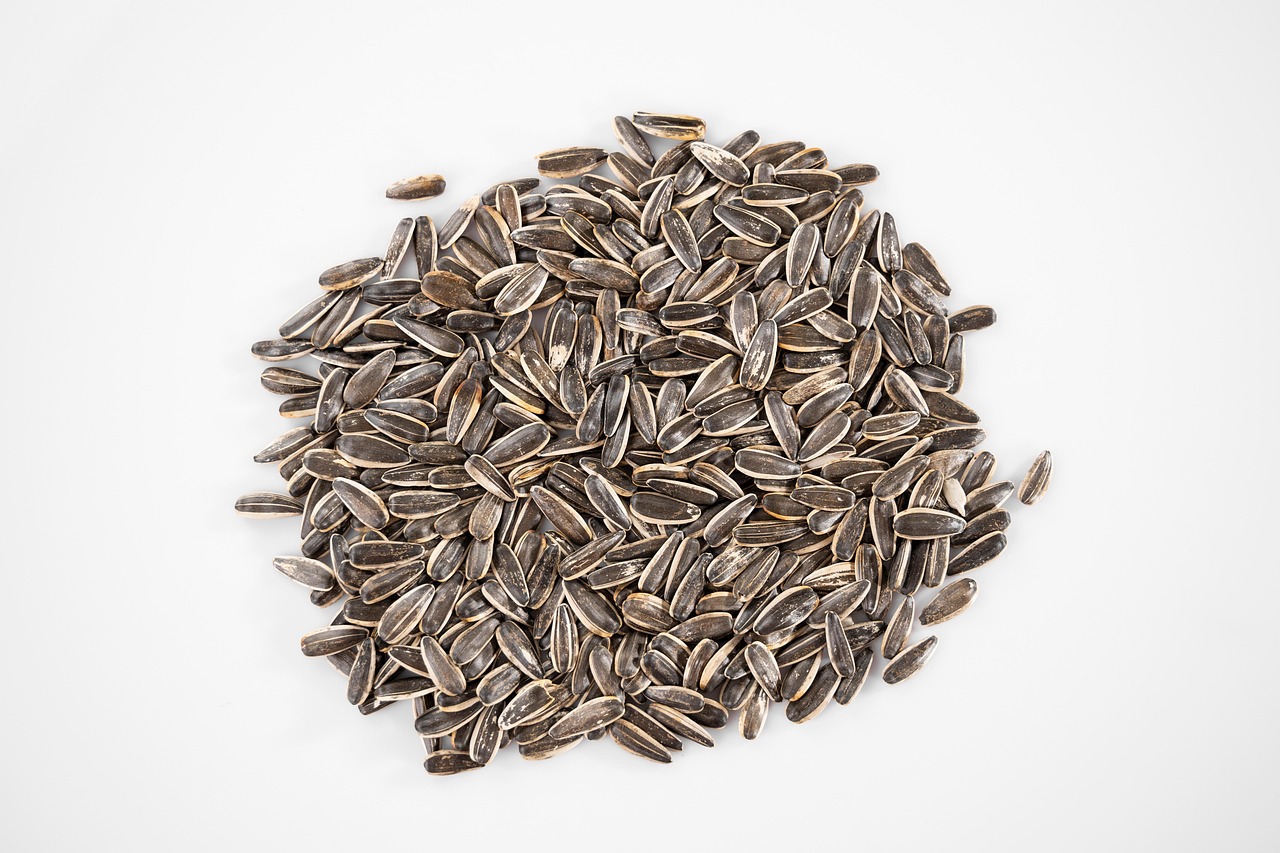
Tip: Include nuts, seeds, whole grains, and leafy green vegetables in your diet to ensure adequate magnesium levels.
Calcium for More than Just Bones
While calcium is known for its crucial role in building and maintaining strong bones, it’s also essential for heart, muscle, and nerve health. For athletes, muscle function and contractions are critical aspects where calcium is fundamentally involved.
Tip: Dairy products are well-known calcium sources, but for those who are lactose intolerant or vegan, options like tofu, broccoli, kale, and almonds are excellent alternatives.
Implementing Your Vitamin and Mineral Strategy
Whether you decide to adjust your diet or take supplements, it’s important to consult with a healthcare provider to discuss your specific needs, especially if you have underlying health conditions or are on medications.
Practical Example: A day’s meal planning might include a balanced breakfast with Greek yogurt (calcium and B12), a spinach and red pepper omelet (iron, Vitamin C, and magnesium), an orange as a snack (Vitamin C), a lean meat or tofu bowl with quinoa and mixed vegetables for lunch (iron, B12, magnesium, and calcium), and a dinner that includes a salad topped with seeds and nuts (magnesium).
Conclusion
Integrating a diet rich in the essential vitamins and minerals, understanding their roles, and how they impact your overall performance can significantly influence your health and athletic achievements. While it seems intricate, with a small amount of planning and adjustments, you can ensure that you’re feeding your body the nutrients it needs to function at its peak. Remember, every individual’s needs can vary; embracing a tailored approach will yield the best results in your performance and health journey.