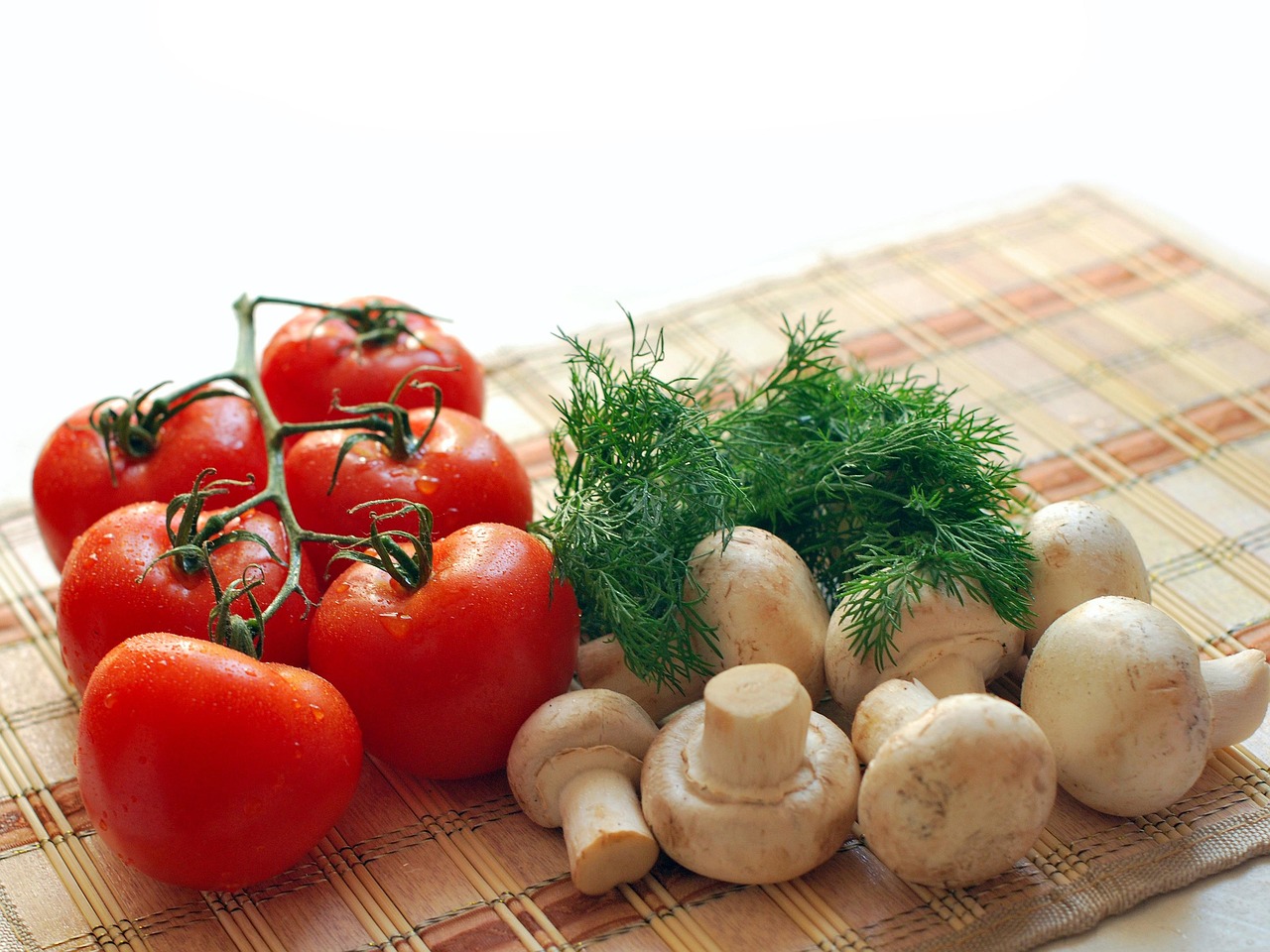
Embracing Plant-Based Living: A Journey to Health and Sustainability
Exploring a plant-based lifestyle isn’t just about changing what you eat. It’s a pathway to improving personal health and positively impacting the environment. In this article, we will delve into the benefits of adopting a plant-based diet, address common concerns, and provide practical tips to make this significant lifestyle shift both enjoyable and sustainable.
Understanding Plant-Based Living
At its core, plant-based living involves eating primarily foods that come from plants. This doesn’t just mean fruits and vegetables; it includes nuts, seeds, oils, whole grains, legumes, and beans. It doesn’t necessarily mean that you are vegetarian or vegan and never eat meat or dairy. Rather, you are proportionately choosing more of your foods from plant sources.
Why Consider Plant-Based Eating?
The reasons for choosing a plant-based diet are manifold. Health benefits, such as a lower risk of heart disease, hypertension, diabetes, and various types of cancer, are well-documented by numerous scientific studies. Beyond health, there are compelling environmental reasons: reducing your meat intake can significantly lower your carbon footprint, decrease water usage, and reduce deforestation.
The Health Benefits of a Plant-Based Diet
A plant-based diet is rich in fiber, vitamins, and minerals that help to lower blood pressure and improve heart health. It also tends to be lower in calories and saturated fats, which is beneficial for weight management and metabolic health.
Improved Heart Health
Studies have shown that a diet high in fruits, vegetables, nuts, and whole grains can reduce the risks of heart diseases. The fiber and healthy fats in these foods help in lowering cholesterol levels and maintaining a healthy blood pressure.
Weight Management
Plant-based diets are effective for weight loss because they are rich in fiber, which helps make you feel full longer. By consuming more fruits and vegetables, you’re likely to consume fewer calories, helping you manage your weight more effectively.
Making the Transition
Switching to a plant-based diet doesn’t have to be abrupt. Many people find that a gradual transition is more manageable and sustainable long-term.
Start Small
Begin by incorporating more vegetables, fruits, and whole grains into your meals. Try meatless Mondays, and gradually increase the number of meat-free meals you have each week.
Find Plant-Based Substitutes
Explore plant-based substitutes for meat and dairy products. There are numerous options available in the market like almond milk, soy yogurt, and plant-based burgers that can satisfy your cravings without sacrificing taste or texture.
Common Concerns and Misconceptions
Many people hesitate to try plant-based diets because of some common concerns and misconceptions.
Protein Intake
One of the biggest concerns about adopting a plant-based diet is protein intake. However, numerous plant sources are rich in protein such as lentils, chickpeas, quinoa, and almonds.
Cost of Eating Plant-Based
Another misconception is the cost. While some specialty products can be expensive, basic plant-based ingredients like grains, beans, and seasonal produce are quite affordable and accessible.
Incorporating Sustainability
Adopting a plant-based diet is a great step toward living more sustainably, but there are other practices that can enhance your impact on the environment.
Reduce Food Waste
Be mindful of food preparation and storage to reduce waste. Using parts of vegetables or fruits that you typically might not use, like broccoli stems or beet leaves, helps minimize waste and maximizes your food resources.
Support Local Produce
Purchasing local produce not only supports local farmers but also reduces the carbon footprint associated with the transportation of food products across great distances.
Conclusion: A Step Towards a Healthier, Sustainable Future
Embracing a plant-based diet can be a rewarding and transformative experience that benefits both your health and the planet. Starting small, educating yourself, and being prepared to address common concerns can ease the transition. Remember, every meal is a choice to support personal health and global sustainability.
Becoming an Advocate
By adopting a plant-based lifestyle, you don’t just change your diet, you become part of a larger movement towards health and sustainability. Share your journey, inspire others, and become an advocate for a healthier world.