5 Essential Balanced Diet Tips for a Healthier Lifestyle
Eating right isn’t just a fad—it’s a fundamental step toward a healthier, happier life. If you’re looking to revamp your eating habits, embracing a balanced diet is the key. But how exactly can you maintain a balanced diet that sticks? Here are five essential tips to guide you through making those crucial dietary changes that can lead to lasting health benefits.
1. Understand the Basics of a Balanced Diet
Before diving into specific foods or meal plans, it’s crucial to grasp what a balanced diet entails. A balanced diet includes a variety of foods from all the major food groups in the right proportions. This diversity ensures that you receive all the necessary nutrients your body needs to function efficiently.
Key Components of a Balanced Diet:
- Fruits and Vegetables: Loaded with vitamins, minerals, and fiber, aim for a colorful mix on your plate.
- Proteins: Critical for muscle repair and growth, include lean meats, fish, eggs, or plant-based sources like beans and lentils.
- Carbohydrates: Opt for whole grains like brown rice, whole wheat, and quinoa, which provide energy and fiber.
- Dairy or Alternatives: Necessary for calcium and vitamin D, choose low-fat or plant-based options.
- Fats: Focus on healthy fats found in olive oil, nuts, and avocados.
Understanding these basics will help you make informed choices about what to eat, ensuring you get the right balance of nutrition.
2. Plan Your Meals and Snacks
One of the golden rules for maintaining a balanced diet is meal planning. Not only does it help in controlling what you eat, but it also prevents the last-minute rush that often ends in unhealthy eating choices.
How to Get Started:
- Create a Meal Plan: Sketch out meals and snacks for the week. Include a variety of food groups.
- Prep in Advance: Prepare portions of meals ahead of time to avoid the temptation of takeout.
- Healthy Snacking: Keep healthy snacks, such as fruits, nuts, and yogurt, readily available to curb hunger between meals.
Meal planning sets a clear path toward eating right and can significantly reduce the stress of daily decision-making about food.
3. Increase Fruit and Vegetable Intake
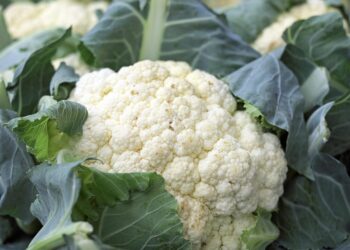
It’s no secret that fruits and vegetables are foundational to a nutritious diet. Rich in essential nutrients and relatively low in calories, they are key to disease prevention and maintaining overall health.
Tips to Incorporate More Fruits and Vegetables:
- Add to Every Meal: Whether it’s spinach in your omelet or berries in your yogurt, make fruits and vegetables a part of every meal.
- Snack Smart: Replace chips or cookies with carrot sticks, apple slices, or grape tomatoes.
- Experiment with Recipes: Try new recipes that incorporate more veggies, like stir-fries or smoothies.
The more colorful your plate, the better. Each color offers different benefits, ensuring a wide range of nutrients.
4. Monitor Portion Sizes
Even with healthy foods, consuming too much can lead to weight gain and related health issues. Understanding and controlling portion sizes is crucial.
Effective Ways to Control Portions:
- Use Smaller Plates: Trick your brain into feeling satisfied with less by using smaller dinnerware.
- Read Labels: Be aware of portion sizes listed on packaging and adjust your intake accordingly.
- Listen to Your Body: Eat slowly and stop eating when you’re full, rather than when your plate is empty.
Portion control is essential in maintaining a balanced diet as it helps manage calorie intake and can prevent overeating.
5. Stay Hydrated
Water is often overlooked when discussing diet, but it’s a vital part of a balanced diet. Hydration is key to physical performance, mental clarity, and overall health.
Hydration Tips:
- Keep a Water Bottle Handy: Having water close by encourages more frequent sips.
- Start and End Your Day with Water: Make it a habit to drink a glass of water when you wake up and before bed.
- Flavor Your Water: If you struggle with plain water, try adding slices of fruits like lemon or cucumber for a natural flavor boost.
Water helps transport nutrients in the body, regulates body temperature, and aids digestion. It’s crucial to drink enough throughout the day.
Conclusion
Adopting a balanced diet involves more than just choosing the right foods. It’s about making informed, deliberate choices that enhance your overall health. By understanding the essentials of diet balance, planning your meals, increasing your intake of fruits and vegetables, monitoring your portions, and staying hydrated, you’re on your way to a healthier lifestyle. Embrace these changes gradually and celebrate each small victory on your path to well-being. Remember, the goal is sustainable health, not perfection overnight!